
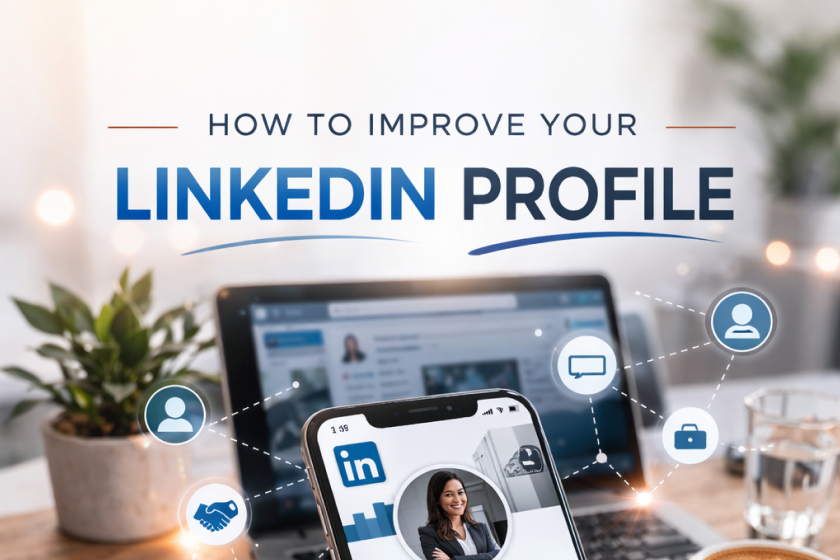
In 2026, your LinkedIn profile isn’t just a digital CV — it is your job search engine. With over 6 people being hired every minute through LinkedIn globally, and recruiters dominating the platform (around 89% of B2B recruiters use LinkedIn in their hiring process), it’s where first impressions are made in many industries. But simply having a profile isn’t enough anymore — standing out matters more than ever if you want to turn visits into opportunities.
For candidates, the first step to visibility is clarity and searchability. Recruiters typically use keyword searches, meaning your headline, About section, and skills need to include the terms they’re actually looking for — not just your official title. A strong headline helps you show up in recruiter search results and tells visitors immediately who you are and what you do. Regular activity — posting, commenting and engaging — also boosts your visibility. Real engagement can make profiles 3–5× more likely to convert into conversations with hiring managers compared to inactive ones.
From a client or recruiter perspective, the quality of a candidate’s LinkedIn profile often signals professionalism and real capability before any human even reads a CV. Recruiters increasingly use AI and algorithms to filter profiles, looking for keyword alignment, consistent work history, measurable outcomes, and a polished presentation. A profile with clear achievements, strong skills listings, and a relevant headline helps not just in search, but in trust — something hiring managers care about when screening large applicant pools in 2026.
Both sides also benefit from social proof. Recommendations, endorsements, and featured work speak louder than plain job titles. Recruiters value profiles that include thoughtful testimonials and documented project outcomes because it gives them confidence in a candidate’s real-world impact. Also, being connected to employees at target companies can increase your chances of being noticed — LinkedIn data suggests job applicants are 3.6× more likely to get hired when they have meaningful connections with someone inside the company.
Finally, think of LinkedIn as ongoing personal branding, not a static resume. Updating your profile regularly with recent achievements, engaging with industry content, and maintaining a professional network helps keep you top-of-mind for opportunities — and ensures that when a hiring manager or recruiter does land on your page, they see a complete, compelling story.